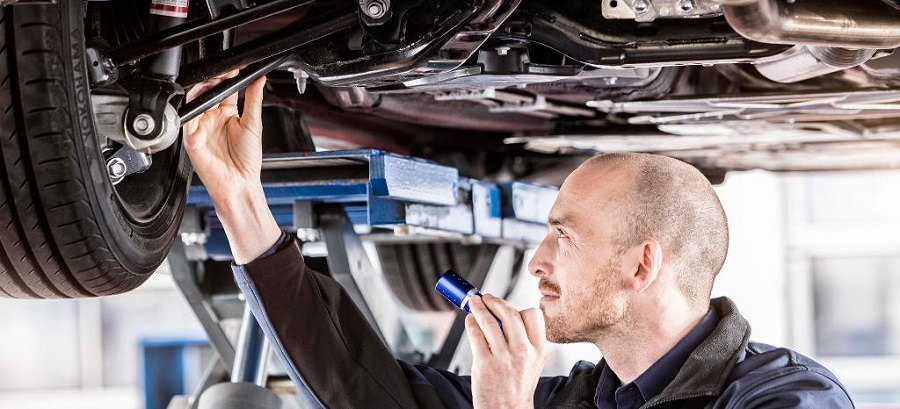
Keeping your vehicle in excellent condition goes beyond simple upkeep—it ensures safety, boosts performance, and extends the life of your car. Consistent servicing helps prevent unexpected breakdowns and keeps your driving experience smooth and reliable.
Understanding Vehicle Maintenance
Vehicle maintenance includes routine inspections, fluid replacements, and mechanical adjustments designed to keep all systems operating efficiently. These scheduled services help identify issues early and maintain optimal performance across all driving conditions.
Why Proper Vehicle Servicing Is Essential
Improved Safety
Servicing ensures that critical components such as brakes, tires, and steering systems function as intended. Early detection of worn-out parts helps avoid dangerous failures on the road.
Boosted Fuel Efficiency
Regular tune-ups—like filter replacements, engine checks, and tire adjustments—help your vehicle consume fuel more efficiently, reducing overall running costs.
Longer Lifespan for Your Vehicle
A well-maintained engine and drivetrain experience less wear, allowing your vehicle to last significantly longer with fewer major repairs.
Smoother Overall Performance
From better acceleration to stable handling, a properly serviced vehicle operates with improved consistency and reliability.
Main Types of Vehicle Services
Interim Service
A shorter, routine service usually performed every 6 months.
-
Engine oil and filter change
-
Brake and fluid checks
-
Tire condition and pressure inspection
-
Visual safety checks
Full Service
Recommended annually for most drivers.
-
Air and fuel filter replacement
-
Comprehensive brake system assessment
-
Coolant, battery, and belt inspections
-
Exhaust system evaluation
Major Service
A thorough service typically due every 24 months.
-
Spark plug replacement
-
Transmission fluid inspection
-
Complete diagnostic testing
-
Deep engine and system evaluations
Critical Components Checked During Service
Engine Oil and Filters
Fresh oil reduces friction and prevents damage, while clean air and fuel filters ensure efficient engine operation.
Brake System
A technician evaluates pads, rotors, brake lines, and fluid quality to confirm reliable stopping capability.
Tires and Wheels
Tread depth, rotation, wheel alignment, and balancing are checked to enhance traction and handling.
Battery and Electrical Systems
Battery voltage, alternator output, and wiring inspections help prevent sudden electrical failures.
Fluid Levels
Coolant, transmission fluid, brake fluid, and power steering fluid are topped up or replaced as needed.
Lights and Indicators
Proper inspection guarantees visibility and ensures all electronic components meet safety standards.
How Often Should You Service Your Vehicle?
Most manufacturers recommend servicing every 10,000–15,000 kilometers or once a year. However, older vehicles, frequent short trips, or extreme weather conditions may require more frequent maintenance. Always refer to your owner’s manual for accurate service intervals.
Warning Signs That Your Vehicle Needs Attention
-
Strange noises from the engine or brakes
-
Dashboard warning lights
-
Reduced fuel efficiency
-
Difficulty starting the engine
-
Vibrations while driving
-
Visible fluid leaks
Addressing these signs promptly can prevent costly repairs and keep your vehicle safe.
FAQ
1. Is servicing required if I drive my vehicle only occasionally?
Yes. Even low-mileage vehicles experience wear, aging fluids, and deteriorating components that need periodic checks.
2. Can I choose between interim and full service?
Yes. Interim service is ideal for frequent drivers, while full service is recommended annually for comprehensive maintenance.
3. Do I need to replace engine oil if it looks clean?
Yes. Oil degrades over time, losing its protective qualities even if it appears clear.
4. How do I know if my battery needs replacement?
Slow starts, dim lights, and electrical malfunctions often indicate a weak or failing battery.
5. Does regular servicing increase resale value?
Absolutely. A well-documented service history significantly increases a vehicle’s resale appeal and value.
6. Are dealership services better than independent garages?
Both can be effective. Dealerships specialize in specific brands, while reputable independent garages often offer cost-effective alternatives.
7. Should I service my car before long road trips?
Yes. Pre-trip servicing ensures your vehicle is road-ready and reduces the risk of unexpected breakdowns.
