A failing fuel injector on a 5.9L or 6.7L Cummins does not leave much room for guesswork. Hard starts and uneven idle can signal trouble, but those symptoms leave an owner with two decisions: what needs repair and who should do the work.
Why common-rail injector jobs are different
Experience with an older mechanical diesel does not automatically prepare someone for a common-rail injector job. This comparison focuses on common-rail 5.9L and 6.7L Cummins pickups, not earlier 5.9L fuel systems. In a common-rail system, a high-pressure pump supplies a shared fuel rail, and the engine computer controls injector operation. Correct fueling depends on the whole system, not just the condition of the injector nozzles. Pump designs and diagnostic requirements differ across model years, making truck-specific information essential.
That design is why access is only half the job. Electrical connectors and high-pressure lines all have to be handled in order and kept free of dust or grit. Small mistakes with torque or dirt can cause leaks or poor spray patterns that were not there before.
Model-year details add another layer. Injector catalogs may separate early and later 2004 applications, then list additional year ranges for 6.7L trucks. Performance stages create another choice within an application. A part that looks right can still be wrong for a given build date. Confirm the truck’s VIN, build date and existing part number with the supplier before ordering. Use model-year service information to establish the installation requirements, rather than treating a catalog’s broad year range as a complete repair guide.
Rule out other causes before buying injectors
White or gray smoke on cold start, hard starting, rough idle and higher fuel use often get blamed on a bad fuel injector. Diesel knock that fades or shifts as the engine warms can point the same way. Those signs are useful, but they don’t prove an injector has failed.
Fuel supply problems, high-pressure pump faults, air entering the fuel supply or contamination can cause overlapping symptoms. Fault codes can help narrow the investigation, yet codes alone don’t establish that an injector body or nozzle is at fault. Codes and noise are a starting point for testing rather than an order slip.
A compatible scan tool may support cylinder contribution or cutout tests that help identify an underperforming cylinder. Fuel return testing can add evidence when performed and interpreted according to the application-specific procedure, but it does not answer every diagnostic question. When results are mixed, ask whether a diesel injection specialist should bench-test suspect units. Paying for diagnosis can cost less than replacing a full set of injectors without addressing a pump or fuel supply problem.
Guessing gets expensive fast.
What a home shop needs for this job
The realistic DIY threshold comes down to equipment and setup. Start with the tool list in the truck’s service procedure: suitable removal tools, torque wrenches covering the specified ranges and any required diagnostic functions. Do not assume a generic puller or basic code reader will cover the job. Exact service data and a clean indoor space are essential, with room to keep parts capped and laid out in order. If extraction requires unfamiliar tools or force, arrange professional help rather than improvising.
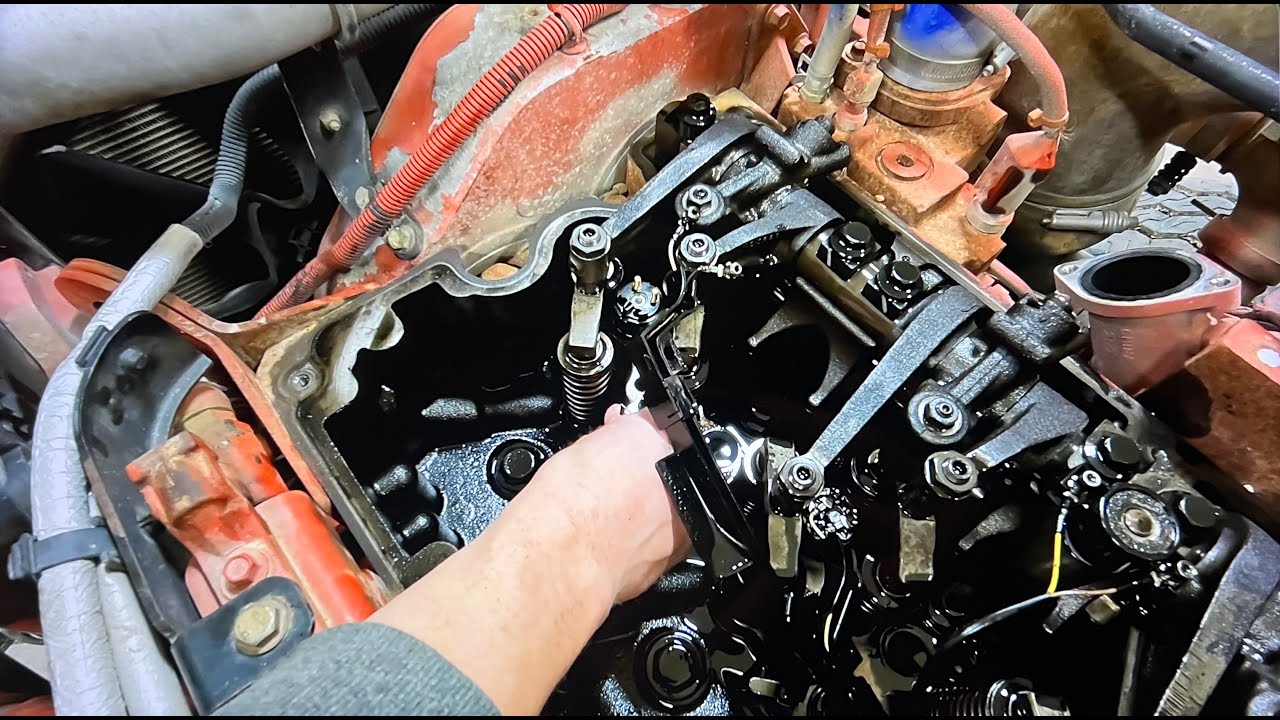
Light matters more than most first-timers expect. So does air. A dusty driveway or a windy carport lets grit fall into open injector bores and fuel ports. A garage with closed doors and good overhead light makes it far easier to keep every connection clean and to keep ports capped until assembly. Clean rags and caps should be ready before the valve cover comes off.
Service data has to settle four questions before a wrench turns. Does that specific application call for injector code registration in the engine computer, and if so, what scan tool function completes it? The manual also needs to identify whether that year requires new hold-down hardware or allows reuse after inspection. It must give the correct torque pattern for clamps and lines. It should also specify the approved cleaning method for the injector seat. Answers vary by year and build, so generic videos don’t replace the manual for that truck.
Organization saves the job. Bag and tag every line, bolt, connector and clamp by cylinder, and keep injectors in order if they go out for testing.
Know the stop points before you start
Common-rail fuel systems operate at dangerous pressures and can retain pressure after shutdown. Never assume that switching off the engine makes a connection safe to open, and never use a hand to search for a leak. The exact truck’s service procedure must govern pressure relief and safe access. If those requirements are unclear, hand the truck to a qualified shop. A suspected high-pressure fuel injection injury requires immediate emergency medical attention, even if the skin wound looks minor.
Stuck injectors are the next stop point. Carbon and heat can lock an injector in the head, and force can break the body or damage the bore. An owner should have a clear limit in mind before starting. If an injector doesn’t move with the proper puller and steady care, or if tools start to flex, it’s time to pause and call a diesel specialist rather than risk head damage.
Contamination is another reason to stop. Water in fuel, glitter in the filter housing or fuel in engine oil can point to system-wide trouble rather than one tired nozzle. Raw fuel that washes into the crankcase can thin the oil and harm bearings. When those signs show up, the tank, filters, lines and pump all need review before new injectors go in. A pro shop with filtration rigs and test benches is better equipped for that kind of cleanup.
How to compare parts and warranty terms
Injector quality affects how long the repair lasts. New and remanufactured options can both run well when they come from a controlled process with pressure testing and inspection. Trouble tends to come from untested used units or bargain units with unclear test history. Those parts can leak or stick open, and one faulty injector can wash fuel into the oil and undo the savings from the whole set.
Price alone is a poor filter. Choosing a fuel injector for your 5.9 or 6.7 Cummins engine that is new and tested, with clear warranty terms in writing, makes more sense than shopping on sticker price alone. Ask whether the warranty covers the part itself and for how long, and get the terms in print. A parts warranty is not a workmanship warranty, so labor to redo the job is a separate question.
Fitment needs the same care. Year splits and part-number differences matter across the 5.9L and 6.7L applications. Check the listing against the truck VIN and build date rather than engine size alone. Service information for that year will state which sealing washers, O-rings and hardware need fresh parts on install and which parts can be reused after inspection, so follow that guidance instead of reusing parts by habit.
Cleanliness during storage counts too. Keep new injectors capped until install and sort out any open or dirty box with the seller before teardown.
What a diesel shop brings to the table
A good diesel shop sells diagnosis before it sells parts. Expect questions about fuel history and filter changes, plus a road test and cold-start check. Many shops run balance checks and cutout tests, inspect return flow where the procedure fits that engine, and check fuel supply pressure and filtration. If an injector is pulled, a reputable shop will explain which cylinder was at fault and why the rest were left alone or replaced as a set.
Programming and checks vary by application, so ask what that truck needs. Some common-rail Cummins builds may call for injector code registration in the engine computer after install, while others may not. A capable shop will know which requirements apply to that truck and will check idle quality and connections for leaks after warm-up. Ask what scan tool functions are included and what post-repair checks are part of the ticket.
Warranty talk should be plain. Ask what the parts warranty covers and how long it lasts. Ask separately what the shop covers for its own work and how comebacks are handled. Don’t assume one covers the other. Get both answers in writing with the estimate, along with a clear list of included seals, lines, filters and hardware.
Making the call for your truck
DIY is worth considering when the owner has relevant repair experience, the application-specific tools and diagnostic capability, and torque wrenches suited to the specified fasteners. A clean workspace and exact service data are ready. Hardware and coding requirements for that build are understood. Most importantly, there is time and a backup plan if an injector sticks or contamination appears. Having changed filters or oil is not, by itself, preparation for opening a common-rail system.
A shop is the safer call when any piece is missing. A missing puller or manual for that year points the same way. So do daily-driver pressure and signs of tank-wide contamination. Downtime matters too. A truck that must run Monday can’t sit apart in a home garage while parts are reordered or a stuck injector is debated. A shop with backup tools and stock seals can often keep that delay short, though the truck’s condition determines the timeline.
Cost math should look past the ticket. DIY skips shop labor but ties up evenings and risks a bore repair if force wins. Shop work bundles diagnosis and install in one bill with post-checks under the same roof. Owners should ask for an itemized quote that lists parts and shop time apart, then weigh that figure against home time and tow risk.
There’s no single right answer for every Cummins owner. Match the choice to tools, space, data and risk tolerance. Done for the right reasons, either path can get the truck back on the road.
