6
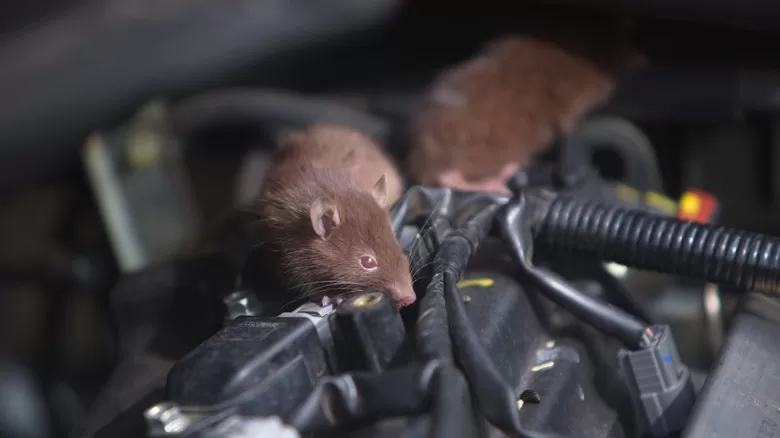
Turning your key or pressing the push-button start only to be greeted by a dead dash, sputtering engine, or a sudden cascade of warning lights is a deeply frustrating experience. When the tow truck drops your vehicle at the repair shop, the diagnosis can be even more baffling: a field mouse, rat, or squirrel crawled into your engine bay and chewed clean through the main wiring harness.
What seems like a bizarre stroke of bad luck is actually an expensive, widespread headache for motorists nationwide. Modern vehicles house thousands of feet of intricate electrical cabling tucked into dark, warm engine bays. When a car sits parked overnight or stays parked for days at a time, it transforms into prime real estate for opportunistic pests. Protecting your investment requires understanding why these animals target engine bays in the first place, recognizing the early red flags, and applying practical deterrents that actually keep them away.
Why Rodents Target Automotive Wiring
To solve a rodent problem, you have to look at your car the way a small mammal sees it. Under the hood is not an assembly of mechanical parts; it is a sheltered, predator-free cave that stays comfortably warm long after you switch off the ignition.
The Shift to Plant-Based Wire Insulation
Over the past two decades, automakers transitioned away from traditional petroleum-based plastic wire jacketing toward sustainable, bio-based alternatives. Modern wire sheathing frequently incorporates soy-based resins, corn plastics, and peanut oil derivatives. While this move cut down on petroleum consumption and aligned with eco-friendly manufacturing goals, it introduced an unintended side effect: wiring that smells faintly like food to small foragers. While rats do not view wiring harnesses as a primary food source, the organic compounds in the coating make gnawing far more appealing than biting into inert petroleum plastics.
The Biological Need to Gnaw
Rodents do not chew wiring solely out of hunger. Members of the rodent family possess front incisors that grow continuously throughout their lives, expanding several inches per year. If a rodent stops gnawing, its teeth will overgrow to the point where the animal can no longer eat. Gnawing on semi-yielding materials like rubber hoses, sound-deadening foam, and insulated copper wires serves as a dental file, keeping their teeth trimmed, sharp, and functional. The flexible texture and diameter of automotive wiring bundles make them an ideal size for a rat or squirrel to grip between its paws.
Shelter, Warmth, and Nesting Material
Engine blocks retain residual heat for hours after a commute. In the cooler months of autumn and winter, that warmth is irresistible to animals seeking refuge from frost, wind, and predators. Beyond heat, vehicle engine compartments contain abundant nesting materials. Rodents regularly shred the plush acoustic insulation lining the underside of the hood, chew through firewall padding, and harvest fibers from cabin air filters to build cozy nests in the quiet corners of your vehicle.
The Costly Damage Rodents Leave Behind
Rodent damage is rarely confined to a single severed wire that an electrician can splice back together in five minutes. Today’s vehicles run on complex Controller Area Network (CAN bus) systems, where dozens of onboard computers communicate across delicate harnesses.
When a mouse chews through a bundle of wires behind the intake manifold, repairing the damage often requires removing the entire engine or dismantling the vehicle interior down to the firewall. A full wiring harness replacement routinely runs between $1,500 and $6,000 in parts and labor, depending on the make, model, and accessibility of the damaged loom. In severe scenarios, where rodents chew through high-voltage cables in hybrid or electric vehicles, repair costs can climb even higher or lead an insurance carrier to total the car.
Beyond the financial hit, damaged wiring introduces serious safety hazards. Chewed insulation exposes bare copper strands to grounded metal, generating electrical shorts that can cause sudden engine stalling at highway speeds, disable critical safety sensors, or trigger catastrophic engine fires.
Early Warning Signs of Under-the-Hood Nesting
Catching a rodent before it strips your electrical harness makes the difference between an afternoon cleanup and an astronomical repair bill. Inspect your vehicle for these warning signs, especially if you park outside or leave your car idle for extended stretches.
-
Unexplained electrical gremlins: Check engine lights, flickering instrument clusters, malfunctioning exterior lights, or sensors that abruptly stop communicating often indicate a harness with stripped insulation.
-
Droppings on flat engine surfaces: Dark, pellet-like droppings resting on top of the battery, along the valve cover, or near the windshield wiper cowl confirm that an animal is regularly visiting your bay.
-
Stashed food items: Finding acorn caches, dog kibble, birdseed, or discarded fruit hulls inside the engine bay or tucked into the air intake box is a sure sign of rodent occupancy.
-
Shredded insulation and nesting debris: Torn hood batting, displaced firewall insulation, or piles of dried leaves, grass, and torn paper jammed beneath the intake manifold or behind the battery indicate an active nest.
-
Foul odors through the climate vents: A pungent, acrid smell of urine or the sickly-sweet odor of a decaying carcass blowing through the air-conditioning vents usually means pests have infiltrated the cabin air intake or the heater blower box.
Proven Strategies to Protect Your Parked Car
Keeping rodents out of your engine bay demands a multi-layered defense. Relying on a single trick rarely works against determined animals, but combining habitat changes, physical barriers, and targeted deterrents creates an environment they actively avoid.
Physical and Mechanical Barriers
The most reliable way to prevent chewed wires is making the cables unpalatable or physically inaccessible.
-
Capsaicin-infused rodent tape: Several major automakers manufacture specialized electrical tape infused with capsaicin, the active compound that makes chili peppers spicy. Wrapping exposed wire looms, sensor leads, and vulnerable harness trunks in capsaicin tape creates an intense burning sensation whenever an animal bites into it. Rodents quickly learn to leave those bundles alone.
-
Wire loom protectors and split-conduit tubing: Upgrading exposed wires with heavy-duty split wire conduit or stainless steel braided sleeves creates an armored exterior that rodent incisors cannot easily pierce.
-
Hardware cloth over intake openings: Rodents frequently enter heating ventilation ducts and engine air filter boxes through cowl vents. Fastening fine-mesh wire screen (quarter-inch galvanized hardware cloth) over fresh-air intake ducts blocks physical entry into the cabin and engine air tract without restricting airflow.
Scent-Based and Taste Deterrents
Rodents have exceptionally sharp senses of smell and taste, which you can use against them.
-
Pure peppermint essential oil: Natural, high-concentration peppermint oil contains menthol compounds that irritate rodent nasal cavities. Soak cotton balls in pure peppermint oil and place them in mesh bags around the perimeter of the engine bay, securing them away from moving belts or hot exhaust manifolds. Keep in mind that peppermint oil evaporates quickly and requires reapplication every few days to remain potent.
-
Commercial bitter deterrent sprays: Specialized automotive pest sprays combine intense bittering agents and predator scents designed to cling to engine components. Spray the undersides of the chassis, wheel wells, and non-heated surfaces of the engine bay monthly.
-
Why mothballs should be avoided: Many drivers turn to mothballs, but tossing them into an engine bay is hazardous. Mothballs contain naphthalene or paradichlorobenzene, which release toxic fumes that get pulled straight into the vehicle cabin through the climate control system. Furthermore, mothballs are flammable and pose an unnecessary fire risk under the hood.
Electronic and Visual Deterrents
Rodents prefer dark, quiet spaces where they feel secure from owls, hawks, and foxes. Disrupting that sense of security drives them away.
-
Under-hood ultrasonic strobe units: Compact devices designed to mount directly inside the engine bay connect to the vehicle’s 12-volt battery or run on independent solar-charged batteries. These units emit high-frequency sound waves that irritate rodent hearing alongside random, flashing LED strobe lights. The sudden light bursts mimic predator activity and make the engine bay uncomfortable for nesting.
-
Propping the hood open: If you park in a secure, covered garage or behind a locked gate, leave your vehicle’s hood propped open. Exposing the engine compartment to ambient light and air currents destroys the sheltered, den-like atmosphere rodents seek. A brightly lit engine bay feels dangerously exposed to a mouse.
Environmental Control and Parking Habits
Even the best deterrents fail if your parking area doubles as a buffet and playground for local wildlife.
-
Clear food sources away from the vehicle: Never store bags of dry dog food, grass seed, or wild bird feed in the garage next to your car unless they sit inside airtight, heavy-gauge metal containers. If you park in a driveway, remove nearby bird feeders, as fallen seeds attract foraging mice and squirrels directly toward your tires.
-
Trim ground cover and brush: Rodents rely on tall grass, overgrown weeds, woodpiles, and dense ground cover to travel safely without being spotted by predators. Park your vehicle on clean concrete or asphalt, away from retaining walls, thick shrubbery, compost piles, and stacked firewood.
-
Move parked vehicles regularly: Cars left unmoved for weeks become prime nesting targets. Start and drive your parked vehicle at least once or twice a week. The noise, vibrations, and heat fluctuations disrupt any animal attempting to establish territory.
What to Do If Rodents Have Already Invaded
If you open the hood and discover a mess of twigs, shredded batting, and rodent droppings, act carefully before starting the car or attempting a quick fix.
First, disconnect the battery to avoid triggering an electrical short across any compromised wires you might not have spotted yet. Put on rubber gloves and an N95 respirator mask before clearing out nesting material. Wild rodents, particularly deer mice, carry serious pathogens such as Hantavirus, which can become airborne when dry droppings are disturbed.
Lightly mist the nesting area with a diluted bleach solution or household disinfectant rather than vacuuming it dry, which kicks up contaminated dust. Carefully remove all debris by hand and seal it in a plastic trash bag. Inspect the air filter box, cabin filter housing, and every visible wire bundle running along the firewall and inner fenders for telltale teeth marks or exposed copper.
Once the debris is clear, clean the entire engine compartment with an automotive degreaser to erase the rodent’s pheromone trails. Rodents navigate primarily by scent, and lingering urine markers act as a beacon inviting new animals into the bay even after the original resident is gone.
If you notice bare wires, severed connectors, or abnormal dashboard warnings, have the vehicle inspected by a qualified automotive technician before driving it. Many comprehensive auto insurance policies cover rodent damage, subject to your deductible. Document all damage with clear photos before repairs begin to support any claim you file.
Taking proactive steps to secure your parking area and safeguarding your engine bay transforms your vehicle from an appealing, warm hideout into an inhospitable barrier that rodents gladly pass by.
