
Introduction to Logistics
Logistics plays a central role in enabling businesses to move products efficiently, meet customer expectations, and maintain operational stability. It covers every activity involved in transporting goods—from sourcing raw materials to delivering finished products to end users. As global commerce expands, logistics has become a strategic advantage rather than just a support function.
What Is Logistics?
Logistics refers to the planning, coordination, and execution of the movement and storage of goods, services, and information. It ensures the right products reach the right place at the right time, in the right condition, and at the right cost.
Effective logistics combines strategic planning with real-time coordination, covering transportation, warehousing, distribution, and inventory management.
Core Components of Logistics
Transportation
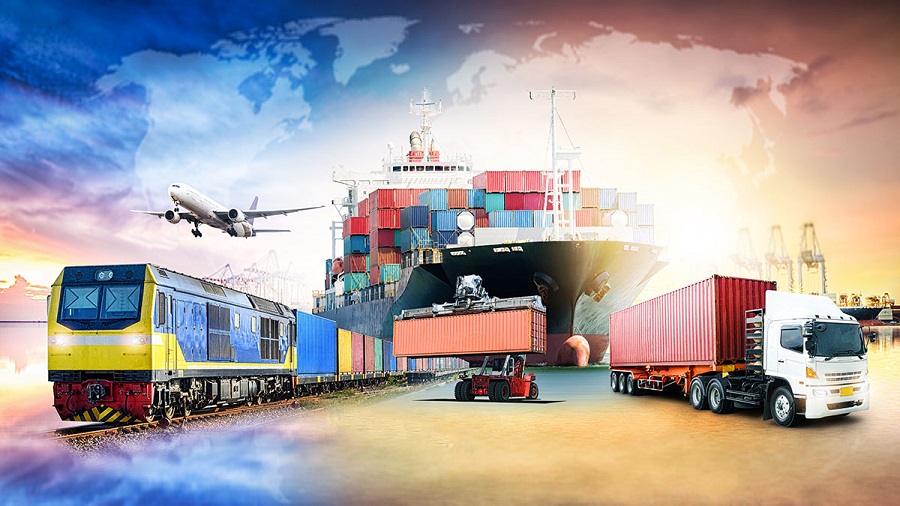
Transportation is the backbone of logistics and involves selecting the most efficient mode to move goods, such as:
-
Road transport for short to medium distances
-
Rail freight for heavy and bulk shipments
-
Air cargo for urgent and high-value items
-
Sea freight for international and large-volume shipments
Choosing the right mode helps reduce costs, delivery times, and environmental impact.
Warehousing
Warehousing provides safe storage for goods before they move through the supply chain. Modern warehouses integrate:
-
Automated storage and retrieval systems (AS/RS)
-
Inventory tracking technologies
-
Climate-controlled environments for sensitive products
Efficient warehousing shortens order fulfillment time and prevents stock shortages.
Inventory Management
Accurate inventory control ensures businesses always maintain optimal stock levels. Key strategies include:
-
Just-in-Time (JIT) systems
-
Demand forecasting models
-
Real-time stock visibility
Proper inventory management reduces holding costs and minimizes waste.
Order Fulfillment
Order fulfillment includes picking, packing, and shipping products. Faster fulfillment enhances customer satisfaction and retention. Many companies now rely on:
-
Automated sorting systems
-
Barcode/RFID scanning
-
Intelligent routing algorithms
Information Flow
Successful logistics relies heavily on timely and accurate information. Technologies such as:
-
Cloud platforms
-
Telematics
-
Real-time tracking tools
enable better decision-making and transparency across the supply chain.
Types of Logistics
Inbound Logistics
Covers the movement of raw materials, components, and supplies from vendors to manufacturers. Efficient inbound logistics helps maintain production continuity and reduce operational disruptions.
Outbound Logistics
Refers to the processes that deliver finished goods from manufacturers to distributors, retailers, or direct customers. It focuses on speed, accuracy, and cost-effective delivery.
Reverse Logistics
Deals with the return, recycling, and repurposing of products. This function has grown significantly with e-commerce and sustainability initiatives.
Third-Party Logistics (3PL)
Many companies outsource logistics operations to 3PL providers. Benefits include:
-
Reduced operational costs
-
Access to expertise and advanced technologies
-
Scalability during seasonal demand shifts
Role of Technology in Logistics
Artificial Intelligence and Automation
AI enhances route optimization, demand forecasting, and warehouse automation. Robotics now handle repetitive tasks such as picking and packaging, improving accuracy and reducing labor costs.
Internet of Things (IoT)
IoT sensors provide real-time data on location, temperature, humidity, and cargo conditions, improving monitoring and compliance.
Blockchain
Blockchain strengthens security and transparency by creating tamper-proof digital records, particularly useful for high-value and regulated goods.
Transport Management Systems (TMS)
A TMS improves route planning, freight auditing, shipment tracking, and carrier selection, making the entire transport process more efficient.
Benefits of Effective Logistics
Well-structured logistics systems offer significant advantages:
-
Lower operational costs
-
Shorter delivery cycles
-
Increased customer satisfaction
-
Better supply chain visibility
-
Higher productivity and efficiency
-
Improved market competitiveness
Challenges in Logistics
Despite technological advancements, the industry faces several challenges:
-
Rising fuel and transportation costs
-
Capacity shortages in peak seasons
-
Supply chain disruptions
-
Regulatory changes
-
Sustainability pressures
Businesses must adopt agile strategies and digital solutions to remain resilient.
Future Trends in Logistics
The industry is rapidly evolving, with major trends shaping its future:
-
Growth of autonomous vehicles and drones
-
Expansion of green logistics initiatives
-
Increased use of predictive analytics
-
Rise of micro-fulfillment centers for e-commerce
-
More integrated and collaborative global supply networks
These innovations aim to create a more efficient, sustainable, and customer-centric logistics ecosystem.
Frequently Asked Questions (FAQ)
1. How does logistics differ from supply chain management?
Logistics focuses on the movement and storage of goods, while supply chain management oversees all processes from raw material sourcing to customer delivery.
2. What industries depend most heavily on logistics?
Retail, manufacturing, healthcare, construction, food & beverage, and e-commerce rely extensively on logistical efficiency.
3. What are the most cost-effective transportation methods?
Sea freight is generally the most economical for international shipments, while rail is cost-effective for domestic bulk transport.
4. How does technology improve logistics performance?
Technologies like AI, IoT, and automation increase accuracy, reduce delays, enhance tracking, and streamline warehouse operations.
5. Why is reverse logistics becoming more important?
With e-commerce returns increasing and sustainability concerns rising, businesses must efficiently manage returned goods.
6. What skills are essential for logistics professionals?
Critical skills include problem-solving, planning, communication, data analysis, and understanding of digital logistics systems.
7. How can businesses reduce logistics costs?
Optimizing routes, consolidating shipments, improving inventory management, and using 3PL services can significantly reduce costs.

