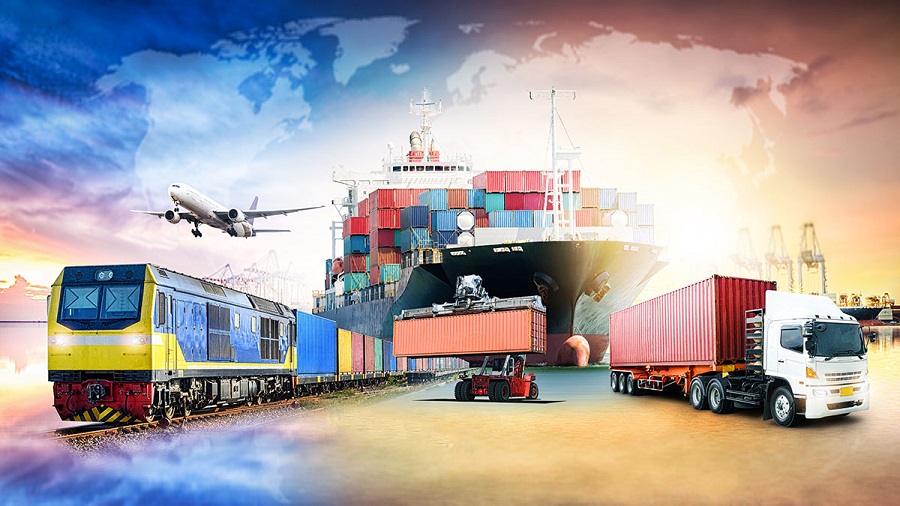
Logistics refers to the coordinated management of goods, services, and information from the point of origin to the point of consumption. It plays a central role in ensuring that products reach customers efficiently, safely, and on time. As global trade expands, logistics has become a backbone of modern business operations.
Components of a Successful Logistics System
1. Transportation
Transportation is the movement of goods through various modes, including road, rail, air, and sea. Choosing the right mode depends on factors such as cost, speed, and product type.
2. Warehousing
Warehousing involves storing goods until they are needed. Effective warehouse management includes:
-
Inventory tracking
-
Climate control for sensitive products
-
Automation for faster operations
3. Inventory Management
Efficient inventory management ensures that companies maintain the ideal stock levels. It prevents issues such as:
-
Overstocking
-
Stockouts
-
Capital blockage
4. Order Fulfillment
This process covers receiving orders, processing them, and shipping products to customers. Speed and accuracy are essential to customer satisfaction.
5. Supply Chain Coordination
Logistics is part of the broader supply chain ecosystem. Coordination and communication among suppliers, manufacturers, and distributors ensure timely product flow.
Importance of Logistics in Modern Business
Enhances Customer Satisfaction
Timely delivery directly affects customer experience. Businesses with streamlined logistics earn trust and repeat customers.
Reduces Operational Costs
Optimized transportation routes, smart inventory planning, and automated warehouse systems help reduce overall expenses.
Improves Supply Chain Visibility
With digital tools, businesses can track shipments, monitor inventory, and predict demand accurately.
Supports Global Trade
Logistics enables companies to operate across borders, manage international shipments, and compete in global markets.
Challenges Faced in Logistics Today
1. Rising Transportation Costs
Fuel prices, labor shortages, and regulatory compliance increase operational costs.
2. Supply Chain Disruptions
Events like pandemics, natural disasters, or political instability can disrupt transportation and production.
3. Labor Shortages
The logistics sector faces a shortage of trained drivers, warehouse staff, and supply chain experts.
4. Technology Integration
Adopting new technologies requires investment and training, which can be challenging for smaller companies.
Future Trends in Logistics
Automation & Robotics
Robots are transforming warehouses by handling repetitive tasks with high accuracy.
AI-Driven Logistics
Artificial intelligence enables smarter route planning, demand forecasting, and real-time tracking.
Sustainable Logistics
Companies are shifting to eco-friendly practices such as:
-
Electric delivery vehicles
-
Recyclable packaging
-
Carbon-neutral supply chains
Blockchain for Transparency
Blockchain enhances trust by providing an unchangeable record of every transaction in the supply chain.
FAQs
1. What is the main purpose of logistics?
Its purpose is to ensure goods move efficiently from manufacturers to customers while minimizing time and cost.
2. How does logistics differ from supply chain management?
Supply chain management covers the entire production and distribution ecosystem, while logistics focuses specifically on transportation, storage, and delivery.
3. What technologies are commonly used in logistics today?
AI, IoT sensors, warehouse automation, blockchain, and GPS tracking systems are widely used.
4. Why is warehouse automation important?
It increases accuracy, reduces labor costs, and speeds up order fulfillment.
5. What factors affect transportation decisions in logistics?
Cost, distance, product type, delivery urgency, and infrastructure availability influence transportation choices.
6. How can businesses reduce logistics expenses?
By optimizing routes, using automation, improving demand forecasting, and partnering with reliable carriers.
7. What industries rely heavily on logistics?
Retail, manufacturing, healthcare, e-commerce, automotive, and food distribution all depend on strong logistics systems.